
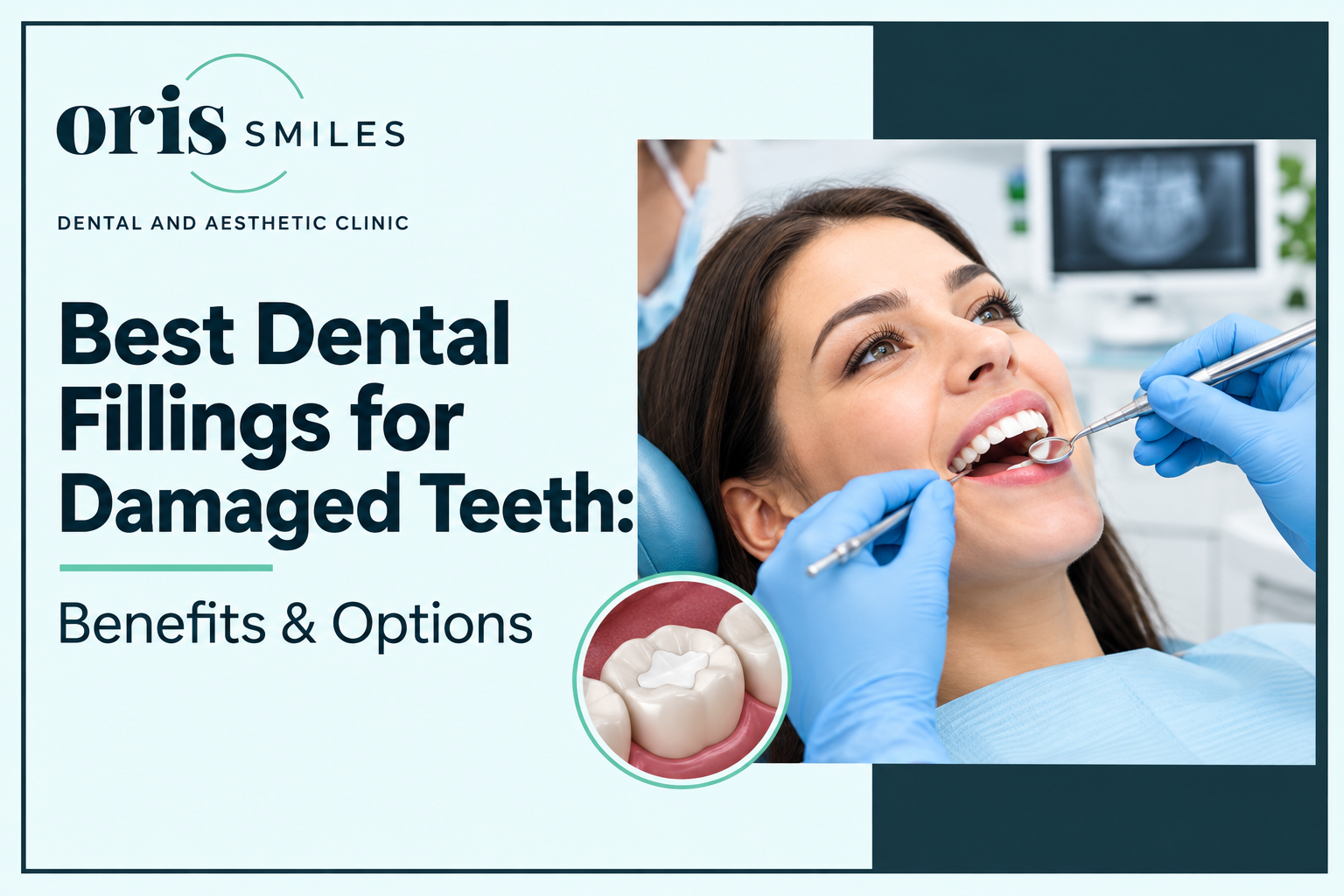
Best Dental Fillings for Damaged Teeth: Benefits & Options
A chipped, cracked, or decayed tooth can affect more than your smile—it can make eating uncomfortable and allow further damage to develop. Choosing the best dental fillings can help restore the tooth’s shape, function, and appearance while protecting it from additional damage.
What Are Dental Fillings?
Dental fillings are restorative materials used to repair teeth affected by cavities, minor fractures, wear, or other forms of damage. During treatment, a dentist removes the damaged portion of the tooth and fills the area with a suitable material.
The right option depends on factors such as the location of the tooth, the size of the damaged area, appearance, bite pressure, and overall oral health.
Practical tip: If you notice sensitivity to hot or cold, pain while chewing, or a visible hole or crack, schedule a dental examination instead of waiting for the problem to worsen.
Types of Dental Fillings to Consider
1. Composite Resin Fillings
Composite fillings are tooth-colored restorations designed to blend with natural enamel. They are commonly used for visible teeth because the material can be closely matched to the surrounding tooth shade.
Composite resin can also be shaped precisely to restore small chips and minor areas of tooth damage.
Example: A patient with a small cavity on a front tooth may benefit from a composite filling because the restoration can be designed to look natural when smiling.
2. Amalgam Fillings
Amalgam is a metallic restorative material that has traditionally been used for cavities, particularly in back teeth that experience substantial chewing forces. Its durability makes it suitable for certain restorative situations.
However, its silver appearance may make it less desirable for patients who prioritize a tooth-colored smile.
Practical tip: Ask your dentist whether a tooth-colored alternative is appropriate if the damaged tooth is visible when you smile.
3. Ceramic Fillings
Ceramic restorations can provide a natural-looking appearance and are often considered when a larger restoration requires both strength and aesthetics. Depending on the tooth and extent of damage, ceramic restorations may be recommended as an alternative to conventional fillings.
Example: If a molar has a larger damaged area, the dentist may evaluate whether a filling, inlay, onlay, or other restoration is more appropriate.
4. Glass Ionomer Fillings
Glass ionomer is another restorative material that can be used in selected situations. It can release fluoride and may be useful for particular areas of the mouth or specific restorative needs.
Because different materials have different strengths and limitations, the dentist should determine whether this option suits the tooth being treated.
Benefits of the Best Dental Fillings
The best dental fillings do more than cover a cavity. A properly selected and placed restoration can help restore chewing function and protect the remaining tooth structure.
Restore Tooth Function
Damage or decay can make biting and chewing uncomfortable. A filling restores the affected area so the tooth can function more normally.
Actionable tip: After treatment, follow your dentist’s instructions about eating and oral hygiene, particularly if the tooth feels sensitive temporarily.
Improve Smile Appearance
Tooth-colored composite materials can be matched to the natural shade of your teeth. This makes them particularly useful when aesthetics are an important consideration.
Example: Repairing a small front-tooth chip with tooth-colored composite can restore the tooth’s contour without creating an obvious metallic-looking restoration.
Help Prevent Further Damage
Removing decay and sealing the affected area can help prevent the cavity from progressing. Early treatment is generally simpler than waiting until the damage reaches deeper layers of the tooth.
Practical tip: Regular dental examinations can help identify small cavities or damaged areas before they require more extensive treatment.
When Is Tooth Bonding an Option?
Not every damaged tooth requires a traditional filling. Tooth bonding uses a tooth-colored composite resin that is carefully applied and shaped to improve the appearance or repair minor imperfections.
Bonding may be considered for small chips, gaps, worn edges, or certain cosmetic concerns. It can provide a conservative treatment approach when only a limited amount of tooth structure needs correction.
For patients considering this option, Oris Smiles Dental Clinic’s tooth-bonding service provides more information about the treatment.
Example: A small chip on the edge of a front tooth may be repaired using composite bonding, while a deeper cavity may require a conventional filling or another restorative treatment.
How to Choose the Right Dental Filling
There is no single filling material that is ideal for every patient. Your dentist will consider several factors before recommending a treatment.
Location of the Tooth
Front teeth generally have stronger aesthetic requirements, while molars experience greater chewing forces. This can influence the choice of restorative material.
Size of the Damage
A small cavity may be treated with a direct filling, while extensive damage may require a different restoration. The amount of healthy tooth structure remaining is an important consideration.
Appearance
If the restoration will be highly visible, a tooth-colored material such as composite may be considered when clinically appropriate.
Oral Health and Bite
Existing cavities, gum health, bite forces, and habits such as teeth grinding can influence treatment planning.
Actionable tip: Instead of choosing a filling material based only on appearance or price, ask your dentist which options are suitable for your specific tooth and why.
What Happens During Filling Treatment?
The exact process varies depending on the tooth and restoration, but a typical filling procedure involves examining the damaged tooth, removing decay or compromised material, preparing the area, placing the filling, and shaping it to fit the bite.
For composite restorations, the material is typically placed in the prepared area and hardened in stages before the dentist checks the final shape and bite.
Practical tip: If your tooth remains painful, feels unusually high when you bite, or develops persistent sensitivity after treatment, contact your dental clinic for an evaluation.
Conclusion: Protect Damaged Teeth With the Right Treatment
The best dental fillings depend on the individual tooth, the extent of damage, aesthetic goals, and overall oral health. Composite, amalgam, ceramic, and glass ionomer materials each have different applications, while tooth bonding can be an option for selected minor chips and cosmetic imperfections.
The most important step is getting the tooth assessed before the damage progresses. Oris Smiles Dental Clinic can evaluate your tooth and discuss suitable restorative or bonding options based on your needs.
Ready to restore a damaged tooth? Contact Oris Smiles Dental Clinic to schedule a dental consultation and discuss the right treatment option for your smile.
FAQs
1. What are the best dental fillings for damaged teeth?
The best dental fillings depend on the tooth’s location, the extent of damage, your bite, and aesthetic preferences. Composite, ceramic, amalgam, and glass ionomer materials may be suitable in different situations.
2. Are composite fillings good for damaged teeth?
Yes. Composite fillings are tooth-colored and can restore certain cavities, chips, and minor areas of damage while providing a natural-looking appearance. Your dentist can determine whether composite is appropriate for your specific tooth.
3. How long do dental fillings last?
The lifespan of a filling varies depending on the material, size and location of the restoration, oral hygiene, diet, and biting forces. Regular dental checkups can help identify worn or damaged fillings early.
4. Can dental fillings fix a chipped tooth?
A filling or composite bonding may be suitable for some small chips. Larger or more complex fractures may require another type of dental restoration. A dental examination is needed to determine the appropriate treatment.
5. Is tooth bonding the same as a dental filling?
Not exactly. Both can use composite resin, but they serve different purposes. Fillings primarily restore areas affected by decay or structural damage, while tooth bonding is often used to repair minor chips, reshape teeth, close small gaps, or improve cosmetic appearance.
