
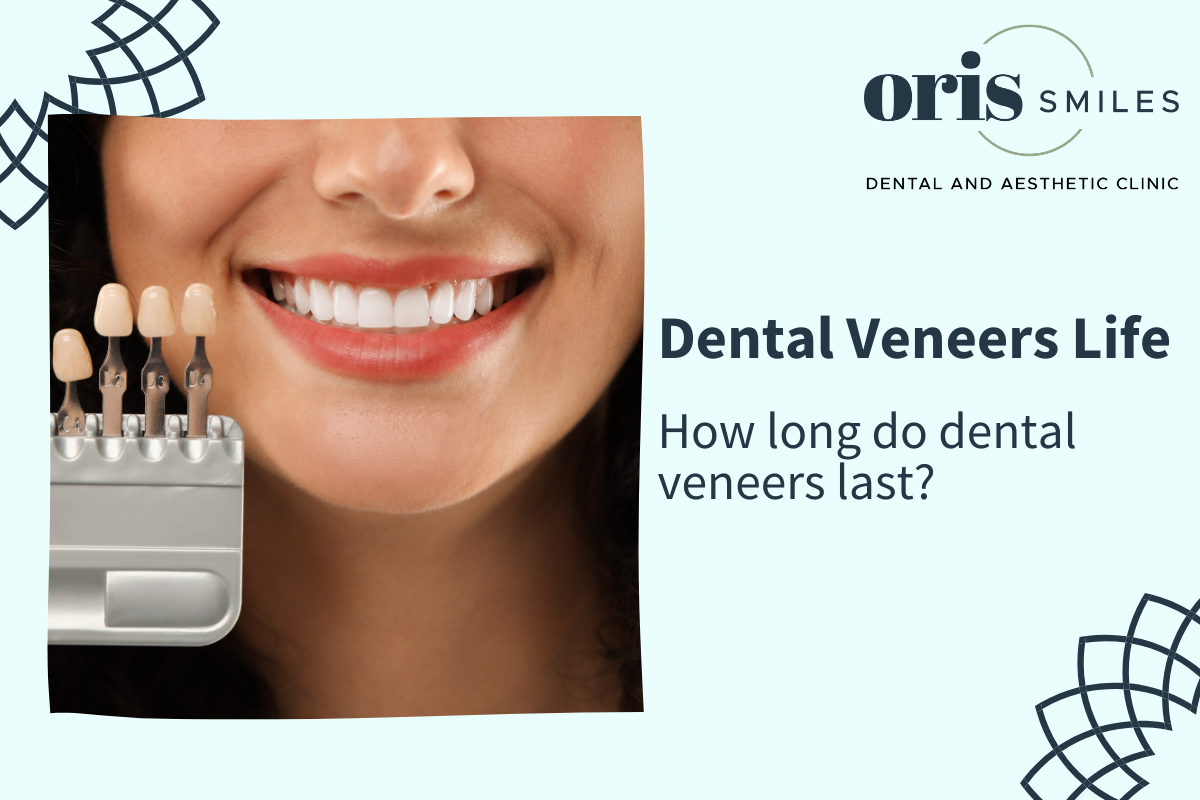
How Long Do Dental Veneers Last? Lifespan, Longevity Factors & Extension Tips
Dental veneers provide beautiful smile transformation lasting years with proper care and maintenance. Lifespan varies significantly based on veneer material type, oral hygiene habits, lifestyle choices, and grinding behaviors. Understanding veneer longevity is essential before making this cosmetic investment. Multiple factors influence durability beyond material type alone. Veneers are highly durable but not permanent restorations requiring eventual replacement. Dr. Janu Shah evaluates individual veneer longevity potential based on patient-specific factors and clinical planning. Call 063536 90788 to evaluate veneer longevity for your smile at Oris Smiles Dental Clinic.
Veneer Lifespan by Material Type
Porcelain veneers typically last ten to fifteen years with proper care, representing the industry standard lifespan. Some porcelain veneers documented lasting twenty-plus years with exceptional maintenance and low-risk behaviors. Average reported lifespan reaches twelve years according to the American Academy of Cosmetic Dentistry. Porcelain’s superior durability stems from ceramic composition resisting wear and staining better than alternatives. High-quality porcelain material, proper tooth preparation, advanced bonding systems, and expert dentist placement extend lifespan significantly. Inadequate tooth preparation, poor adhesive technique, excessive bite forces, poor oral hygiene, and trauma reduce porcelain veneer longevity.
Composite veneers last significantly shorter at five to seven years, substantially less than porcelain alternatives. Potential extended lifespan reaching ten years requires exceptional care and maintenance. Composite’s softer resin material wears faster, chips more easily, and stains more readily than porcelain. Chairside application advantage of single-appointment treatment is offset by shorter lifespan requiring more frequent replacement. Superior oral hygiene, protective habits avoiding hard and sticky foods, skillful dentist placement, and adequate light curing extend composite veneer service life. Staining susceptibility, softer material prone to chipping, dietary factors, and grinding behaviors reduce composite veneer longevity.
No-prep or minimal-prep veneers claim ten to twenty year lifespans with some brand manufacturers claiming twenty years. Clinical reality typically shows ten to fifteen years based on actual patient outcomes. Minimal enamel removal offers reversibility advantage and potentially extends longevity. However, thinner veneers may prove less durable, with some studies showing higher failure rates than traditional veneers. Material quality and proper bonding technique remain critical despite conservative preparation approach.
Factors Affecting Veneer Longevity
Dental veneer lifespan depends heavily on initial fabrication quality and tooth preparation precision. Laboratory expertise produces superior anatomic veneers with proper marginal adaptation and contact point accuracy. Adequate enamel preparation removing 0.5 to 0.7 millimeters provides optimal fit and retention. Over-preparation or under-preparation compromises longevity. Adhesive system quality, etching protocol, primer application, dual-cure cement selection, and light curing duration critical to long-term retention. Complete isolation preventing saliva contamination, thorough drying, adequate cement application, and 60-plus second light curing ensure optimal bonding.
Dentist experience significantly impacts veneer longevity through proper case selection, optimal tooth preparation, accurate shade matching, strict adhesive protocol adherence, and skilled problem anticipation. Experienced prosthodontists achieve superior results compared to less experienced clinicians. Skill in bite adjustment and contour refinement prevents discomfort and functional problems affecting long-term success.
Professional maintenance visits every six months with annual radiographs and professional fluoride treatments protect veneers. Early problem detection identifies margin deterioration, gum recession, or structural compromise before critical failure. Professional stain removal maintains appearance. Daily brushing with soft-bristled brush and non-abrasive toothpaste, daily flossing with gentle technique, and optional antimicrobial mouthwash preserve veneer integrity. Excellent oral hygiene preventing plaque accumulation protects veneer margins from decay.
Lifestyle Factors Affecting Veneer Durability
Dietary modifications significantly extend veneer lifespan. Limiting staining substances like red wine, coffee, tea, and dark colas prevents discoloration. Avoiding hard candies, nuts, ice, and hard vegetables protects against chipping. Eliminating sticky foods like taffy and caramel prevents mechanical stress. Using straws for beverages and rinsing immediately after staining foods minimize exposure.
Parafunctional habits dramatically reduce veneer longevity. Teeth grinding requires custom night guard protection preventing excessive forces destroying veneers. Nail biting, pen chewing, and using teeth as tools create impact damage. Smoking darkens adhesive, stains veneers, and weakens bonds requiring cessation. Contact sports without mouthguards risk impact injury damaging veneers.
Frequently Asked Questions About Veneer Lifespan
How long do porcelain veneers really last?
Porcelain veneers typically last ten to fifteen years with proper care, with some cases lasting twenty-plus years. Lifespan depends on material quality, tooth preparation, adhesive technique, oral hygiene, and lifestyle factors.
Are composite veneers worth it if they only last five to seven years?
Composite veneers offer value for patients prioritizing affordability and single-appointment placement over durability. They work well for minor cosmetic issues or those hesitant about invasive procedures. Porcelain veneers better for long-term investment.
Can veneers last a lifetime?
Veneers are not permanent but eventually require replacement due to material wear or adhesive breakdown. With optimal care, many porcelain veneers last twenty-plus years approaching “lifetime” quality of use.
What fastest way to ruin dental veneers?
Primary veneer failure causes include grinding without night guard, biting hard objects, smoking, poor oral hygiene, and trauma. Avoiding these dramatically extends veneer lifespan.
Can stained veneers be whitened professionally?
Porcelain veneers cannot be chemically whitened like natural teeth. If substantial staining occurs, replacement may be necessary. Prevention through dietary modification is far more effective.
Ready to maximize your veneer longevity? Schedule your consultation with Dr. Janu Shah at Oris Smiles Dental Clinic. Call 063536 90788 or visit https://www.orissmiles.com/. Located at 103, Shreeya Atlanta, Sindhubhavan Road, Thaltej, Ahmedabad 380059. Hours: Monday to Saturday, 10 am to 7 pm.
